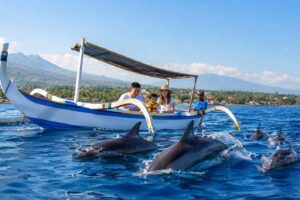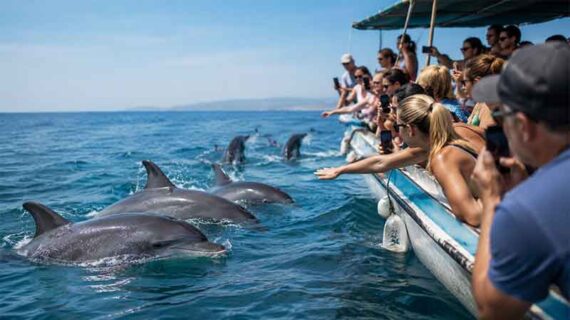
What Not to Do When Watching Dolphins is one of the most important topics every traveler should understand before joining a dolphin watching tour. Seeing wild dolphins in their natural habitat is an unforgettable experience, but it also comes with the responsibility to respect marine life. Many visitors unintentionally make mistakes that can disturb dolphins, damage the environment, or reduce the quality of the experience for everyone. By learning what to avoid, you can enjoy an ethical, safe, and memorable dolphin watching adventure while helping protect these intelligent marine mammals for future generations.
Why Responsible Dolphin Watching Matters
Dolphins are highly intelligent, social animals that rely on communication, rest, feeding, and group behavior to survive. Unlike dolphins in marine parks, wild dolphins are free to roam the ocean and should never be forced to interact with humans.
Responsible tourism plays a major role in marine conservation. When visitors follow proper guidelines, dolphin populations experience less stress, their natural behavior remains unchanged, and local communities can continue offering sustainable tourism for years to come.
Whether you are joining a sunrise dolphin tour in Lovina, Bali, or visiting another dolphin-watching destination around the world, responsible behavior should always come first.
Do Not Touch Wild Dolphins
One of the biggest mistakes people make is trying to touch dolphins when they swim near the boat.
Wild dolphins are not pets. Although they may appear friendly, touching them can cause unnecessary stress and may interrupt their natural activities.
Touching dolphins can also:
- Transfer harmful bacteria between humans and dolphins.
- Encourage unnatural behavior.
- Increase the risk of injury for both people and animals.
- Violate local wildlife protection guidelines.
The best way to appreciate dolphins is by observing them from a respectful distance.
Never Feed Dolphins
Feeding wild dolphins may seem harmless, but it creates long-term problems.
Human food is not suitable for dolphins and can affect their health. More importantly, feeding encourages dolphins to associate boats with food instead of hunting naturally.
This can result in:
- Poor nutrition.
- Increased dependence on humans.
- Dangerous interactions with fishing boats.
- Higher risk of boat strikes.
- Changes in natural migration patterns.
Healthy dolphins should always find their own food in the wild.
Avoid Making Loud Noises
Dolphins rely heavily on sound to communicate, navigate, and locate food through echolocation.
Excessive noise from shouting, loud music, or unnecessary engine revving can interfere with these natural behaviors.
While enjoying your tour:
- Speak quietly.
- Keep music turned off.
- Avoid banging on the boat.
- Let nature provide the soundtrack.
A peaceful environment often leads to better wildlife encounters.
Do Not Chase Dolphins
Let Dolphins Choose the Interaction
A responsible boat captain never aggressively pursues dolphins.
Instead, experienced operators observe their direction and maintain a respectful distance, allowing dolphins to approach naturally if they choose.
Chasing dolphins repeatedly can:
- Separate mothers from calves.
- Interrupt feeding.
- Prevent dolphins from resting.
- Increase stress levels.
Ethical dolphin watching focuses on observation rather than pursuit.
Never Jump Into the Water Without Permission
Many travelers dream of swimming with dolphins after spotting them from the boat.
However, entering the water without permission is unsafe and often prohibited.
Reasons include:
- Strong ocean currents.
- Boat traffic.
- Disturbing dolphin behavior.
- Potential injuries.
- Local regulations protecting marine wildlife.
Always follow the instructions of your guide or captain.
Don’t Throw Trash Into the Ocean
Plastic pollution is one of the greatest threats facing marine life.
Even small pieces of litter can harm dolphins, turtles, fish, and seabirds.
Items that should never enter the ocean include:
- Plastic bottles.
- Food packaging.
- Cigarette butts.
- Fishing line.
- Tissues.
- Disposable cups.
Always bring your rubbish back to shore and dispose of it properly.
Do Not Use Flash Photography Excessively
Photography is an important part of every dolphin tour, but excessive flash can disturb wildlife, especially during low-light sunrise conditions.
For better photographs:
- Use natural light.
- Keep your camera ready.
- Avoid repeated flashing.
- Enjoy the moment instead of spending the entire trip behind a screen.
The best wildlife photos often come from patience rather than constant shooting.
Never Ignore Safety Instructions
Before every dolphin tour, the captain usually explains important safety procedures.
Ignoring these instructions can create unnecessary risks.
Always remember to:
- Wear life jackets if instructed.
- Stay seated while the boat is moving.
- Keep your hands inside the boat.
- Avoid standing suddenly.
- Listen carefully to your guide.
Safety ensures everyone enjoys the trip comfortably.
Don’t Expect Dolphins to Perform
Wild dolphins are not entertainers.
Some days they swim close to boats, leap into the air, or surf the waves. Other days they may remain farther away or appear only briefly.
Weather, tides, food availability, and natural behavior all influence dolphin sightings.
Respecting nature means accepting that every tour is unique.
Avoid Choosing Irresponsible Tour Operators
Not every dolphin tour follows responsible wildlife practices.
Before booking, look for operators who:
- Respect minimum viewing distances.
- Limit boat speed near dolphins.
- Avoid surrounding dolphin pods.
- Educate guests about conservation.
- Follow local regulations.
- Prioritize dolphin welfare over close encounters.
Choosing ethical operators supports sustainable tourism and protects marine ecosystems.
Do Not Disturb Mother Dolphins and Calves
Mother dolphins spend significant time caring for their young.
Calves need frequent nursing, protection, and rest.
Boats that approach too closely may cause:
- Separation between mother and calf.
- Increased stress.
- Interrupted feeding.
- Changes in travel routes.
If baby dolphins are present, extra caution should always be taken.
Don’t Leave Without Respecting the Ocean
A dolphin tour is more than checking another attraction off your travel list.
Take the opportunity to appreciate the ocean, learn about marine conservation, and support responsible tourism.
Simple actions make a difference:
- Reduce plastic waste.
- Support eco-friendly operators.
- Respect wildlife.
- Follow local guidelines.
- Share responsible travel practices with others.
Every visitor contributes to protecting the marine environment.
Tips for a Better Dolphin Watching Experience
Instead of focusing only on getting the closest photo, aim to enjoy the entire experience.
Helpful tips include:
- Arrive early for sunrise tours.
- Wear comfortable clothing.
- Bring reef-safe sunscreen.
- Carry a reusable water bottle.
- Protect your camera from sea spray.
- Stay patient while searching for dolphins.
- Listen to your guide’s explanations.
- Respect other passengers.
- Enjoy the peaceful atmosphere of the ocean.
These small preparations can make your trip much more enjoyable.
Related: Safety Tips for Dolphin Tours in Bali
Frequently Asked Questions
Is it okay to swim with wild dolphins?
Only if local regulations allow it and your guide specifically instructs you to do so. Never enter the water without permission.
Why shouldn’t I feed dolphins?
Feeding changes their natural hunting behavior, affects their health, and increases dangerous interactions with humans and boats.
How close should boats get to dolphins?
Responsible operators maintain a respectful distance, allowing dolphins to behave naturally without feeling threatened.
Are loud noises harmful to dolphins?
Yes. Dolphins rely on sound for communication and navigation, so excessive noise can interfere with their natural behavior.
What should I do if dolphins approach my boat?
Stay calm, avoid sudden movements, remain seated if instructed, and simply enjoy observing them without trying to touch or feed them.
Related: Lovina Bali Beach Club
Conclusion
Knowing What Not to Do When Watching Dolphins helps create a safer, more enjoyable experience for both visitors and marine wildlife. Responsible dolphin watching is about respecting nature, protecting the ocean, and allowing dolphins to live according to their natural behavior. By avoiding harmful actions such as chasing, feeding, touching, littering, or making excessive noise, every traveler can contribute to sustainable tourism and marine conservation. The most memorable dolphin encounters are those where wildlife remains wild, healthy, and free for generations to come.