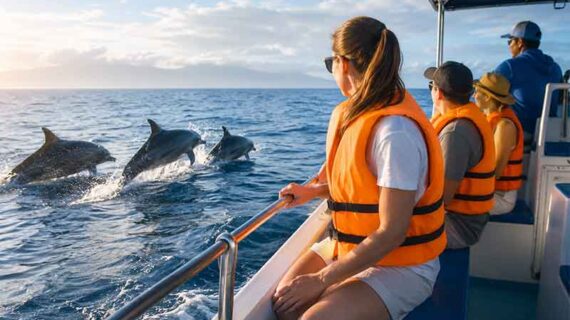
Safety Tips for Dolphin Tours in Bali are essential for anyone planning to experience one of the island’s most popular sunrise activities. Watching wild dolphins in their natural habitat is an unforgettable adventure, but ensuring your safety should always come first. From choosing a reliable tour operator to preparing for changing sea conditions, following the right safety guidelines will help you enjoy a comfortable, memorable, and responsible dolphin-watching experience in Bali.
Why Safety Matters During a Dolphin Tour
Dolphin tours in Bali usually begin before sunrise when the sea is calm and dolphins are most active. While these early morning trips offer spectacular views, they also involve traveling on traditional fishing boats in open water. Weather conditions, waves, and boat traffic can change quickly, making safety an important part of every journey.
Being well-prepared not only protects you and your family but also allows you to relax and focus on the incredible experience of seeing dolphins swimming freely in the ocean.
Choose a Licensed and Experienced Tour Operator
One of the most important safety tips is selecting a reputable dolphin tour provider.
A professional operator should offer:
- Experienced local boat captains
- Well-maintained boats
- Safety equipment onboard
- Life jackets for every passenger
- Clear safety instructions before departure
- Respectful dolphin-watching practices
Reading recent customer reviews can help you identify operators with a strong safety record and excellent service.
Always Wear a Life Jacket
Even if you are a confident swimmer, wearing a life jacket is highly recommended throughout the tour.
Life jackets provide protection if:
- The boat encounters rough waves
- You accidentally slip while moving around
- Unexpected weather changes occur
- An emergency situation arises
Children should always wear properly fitted life jackets from departure until returning to shore.
Listen Carefully to the Boat Captain
Your captain understands local sea conditions better than anyone. Before departure, they may explain:
- Where to sit safely
- How to balance the boat
- When it is safe to stand
- Emergency procedures
- How to behave near dolphins
Following these instructions helps ensure everyone’s safety onboard.
Check the Weather Forecast
Weather plays a major role in the safety of any dolphin tour.
Ideal Conditions
The best conditions include:
- Calm seas
- Light winds
- Clear visibility
- Stable weather
Avoid Going During Severe Weather
Strong winds, heavy rain, or high waves can make boat travel uncomfortable and potentially unsafe.
If your operator recommends postponing the trip due to weather, it is usually the safest decision.
Arrive Early
Dolphin tours typically depart between 5:30 AM and 6:00 AM.
Arriving early gives you enough time to:
- Receive safety instructions
- Wear your life jacket correctly
- Board the boat carefully
- Avoid rushing in the dark
Starting calmly helps make the entire experience more enjoyable.
Wear Comfortable Clothing
Choose clothing suitable for an early morning boat ride.
Recommended items include:
- Lightweight clothing
- Waterproof jacket
- Non-slip sandals
- Hat for after sunrise
- Sunglasses
- Extra dry shirt
Morning temperatures can feel cool before sunrise, while the sun becomes much warmer later in the trip.
Protect Yourself from the Sun
Although the tour begins before sunrise, UV exposure increases quickly after the sun comes up.
Bring:
- Reef-safe sunscreen
- Sunglasses with UV protection
- A wide-brim hat
- Long-sleeve UV clothing if preferred
Proper sun protection helps prevent sunburn during longer tours.
Secure Your Personal Belongings
Boat rides often include splashing water.
Protect valuable items by using:
- Waterproof bags
- Dry bags
- Waterproof phone cases
- Zip-lock bags for wallets and passports
Avoid bringing unnecessary valuables onto the boat.
Stay Seated When the Boat Is Moving
Many injuries happen when passengers stand while the boat is traveling over waves.
Remain seated whenever the captain is navigating unless instructed otherwise.
When taking photos, keep your balance and avoid leaning too far over the side of the boat.
Be Careful When Boarding and Leaving the Boat
Traditional wooden boats may become slippery due to seawater.
When boarding:
- Watch your step
- Hold onto available handrails
- Follow crew instructions
- Help children carefully
- Carry backpacks securely
Taking your time reduces the risk of slipping.
Respect the Dolphins
Safety also includes protecting wildlife.
Responsible dolphin watching means:
- Never touching dolphins
- Never feeding wild dolphins
- Avoid chasing dolphin pods
- Keep a respectful distance
- Minimize loud noises
Responsible tourism helps preserve dolphin populations for future generations.
If You Plan to Snorkel, Follow Safety Rules
Many dolphin tours also include snorkeling stops.
Before entering the water:
- Wear a properly fitted mask
- Use a flotation device if needed
- Stay near the boat
- Follow the guide
- Never swim too far away
- Check currents before entering
If you are not comfortable swimming, inform your guide before the tour begins.
Bring Motion Sickness Medication
Some visitors experience seasickness, even on relatively calm mornings.
If you are prone to motion sickness:
- Take medication before departure
- Stay hydrated
- Look toward the horizon
- Avoid reading on the boat
- Eat a light breakfast beforehand
Preventing seasickness makes the tour much more enjoyable.
Stay Hydrated
Even early morning boat trips can lead to dehydration.
Bring bottled water and drink regularly, especially after sunrise when temperatures increase.
Avoid excessive caffeine or alcohol before your trip.
Supervise Children at All Times
Families should closely monitor children throughout the tour.
Children should:
- Remain seated
- Wear life jackets
- Stay close to adults
- Follow crew instructions
- Avoid standing without permission
Keeping children supervised ensures everyone enjoys the experience safely.
Respect Weight and Passenger Limits
Every boat has a safe passenger capacity.
Never board an overloaded boat.
Professional operators carefully manage passenger numbers to maintain stability and safety on the water.
Know Basic Emergency Procedures
Although emergencies are rare, it helps to know what to do.
Ask your guide about:
- Emergency communication
- Life jacket usage
- First aid availability
- Return procedures
- Weather evacuation plans
A few minutes of preparation can make a significant difference if unexpected situations occur.
Avoid Risky Behavior for Better Photos
Many visitors become excited when dolphins appear nearby.
Avoid:
- Standing suddenly
- Leaning over the edge
- Reaching toward dolphins
- Moving around excessively
Instead, remain seated and use your camera or smartphone safely from your designated seat.
Protect the Marine Environment
A safe and enjoyable tour also means preserving Bali’s beautiful coastline.
Help protect the ocean by:
- Taking all trash back to shore
- Avoiding single-use plastics
- Using reef-safe sunscreen
- Never throwing food into the sea
- Respecting marine wildlife
Responsible travelers help maintain Bali’s natural beauty.
What to Pack for a Safe Dolphin Tour
Packing the right essentials makes your trip more comfortable and secure.
Bring:
- Life jacket if traveling with infants (if preferred)
- Waterproof bag
- Drinking water
- Sunscreen
- Sunglasses
- Hat
- Camera
- Waterproof phone case
- Small towel
- Motion sickness medication
- Comfortable clothing
- Flip-flops or non-slip sandals
Common Safety Mistakes to Avoid
Many first-time visitors unknowingly make simple mistakes that can affect their experience.
Avoid:
- Booking the cheapest tour without checking reviews
- Ignoring weather forecasts
- Forgetting sunscreen
- Standing while the boat is moving
- Leaving valuables unprotected
- Chasing dolphins for better photos
- Boarding overloaded boats
- Not wearing a life jacket
- Bringing too many unnecessary items
Avoiding these mistakes contributes to a safer and more enjoyable adventure.
Frequently Asked Questions
Is a dolphin tour in Bali safe for children?
Yes. Most dolphin tours are suitable for children when operated by experienced providers that supply life jackets and follow proper safety procedures. Parents should supervise children throughout the trip.
What happens if the weather becomes bad?
Professional operators monitor weather conditions closely. If conditions become unsafe, tours may be delayed, rescheduled, or canceled for passenger safety.
Should I wear a life jacket even if I can swim?
Yes. Wearing a life jacket is strongly recommended for everyone regardless of swimming ability.
Can pregnant women join dolphin tours?
Pregnant travelers should consult their doctor before joining a dolphin tour, as sea conditions can sometimes be rough.
Is seasickness common?
Some visitors may experience mild seasickness. Taking preventive medication before departure is often helpful if you are sensitive to motion on boats.
Conclusion
Following these Safety Tips for Dolphin Tours in Bali allows you to enjoy one of the island’s most remarkable wildlife experiences with greater confidence and peace of mind. By choosing a reputable operator, wearing appropriate safety equipment, respecting marine wildlife, preparing for changing weather conditions, and following your captain’s instructions, you can create unforgettable memories while ensuring the wellbeing of yourself, your family, and the dolphins that make Bali’s northern coastline such a special destination. A safe dolphin tour is not only more enjoyable but also supports responsible tourism that helps protect Bali’s marine environment for generations to come.
Related Posts: