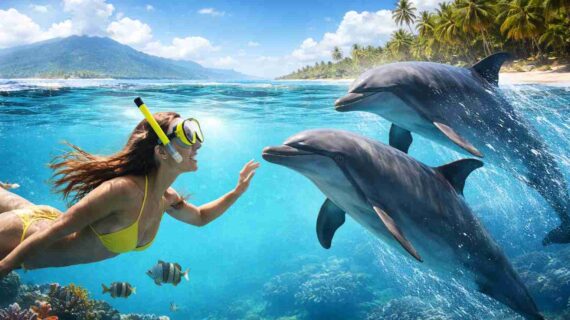
Is swimming with dolphins in Bali ethical? This question is becoming increasingly important for travelers who want to enjoy unique marine experiences while also protecting wildlife. Bali is famous for its beautiful beaches and rich marine biodiversity, and dolphin encounters—especially in northern areas like Lovina—have become one of the island’s most popular attractions. However, behind the excitement lies a complex ethical debate that every responsible traveler should understand before participating.
Understanding Dolphin Tourism in Bali
Dolphin tourism in Bali generally falls into two categories: wild dolphin encounters and captive dolphin experiences. Wild dolphin tours typically involve early morning boat trips where visitors watch dolphins swimming freely in the ocean. On the other hand, captive experiences include facilities where dolphins are kept in enclosed environments and tourists can swim with them.
The ethical concerns differ significantly between these two types of tourism. Observing dolphins in the wild can be relatively low-impact if done responsibly, while captive dolphin programs often raise serious welfare issues.
The Ethics of Swimming with Captive Dolphins
Swimming with dolphins in captivity is widely considered unethical by many marine conservation organizations. Dolphins are highly intelligent, social animals that travel long distances in the wild. Keeping them in small pools or enclosures restricts their natural behavior and can lead to stress, illness, and shortened lifespans.
Many captive dolphin facilities rely on training methods that may involve food deprivation or forced routines to ensure dolphins perform for tourists. These practices can negatively impact the dolphins’ physical and psychological well-being. Additionally, some dolphins in captivity are taken from the wild, disrupting natural populations and ecosystems.
Travelers should be aware that even if a facility appears clean and professional, it does not necessarily mean the animals are being treated ethically. The lack of transparency in some operations makes it difficult to assess animal welfare standards.
Wild Dolphin Encounters: Are They Better?
Watching dolphins in their natural habitat is generally considered a more ethical alternative, but it is not without its challenges. In Bali, especially in popular dolphin-watching areas, large numbers of boats often chase dolphin pods to get closer views for tourists. This can cause stress to the animals, disrupt their feeding and resting patterns, and alter their natural behavior.
Responsible operators follow guidelines such as maintaining a safe distance, limiting the number of boats, and avoiding aggressive movements. Unfortunately, not all tour providers adhere to these practices, which can turn a seemingly harmless activity into a harmful one.
Environmental Impact of Dolphin Tourism
Beyond the direct impact on dolphins, tourism activities can also affect the broader marine ecosystem. Increased boat traffic contributes to noise pollution, which interferes with dolphins’ communication and navigation. Fuel spills and waste from boats can further damage the ocean environment.
Unregulated tourism growth can lead to overcrowding in certain areas, putting additional pressure on marine life. This highlights the importance of choosing eco-friendly operators who prioritize sustainability and conservation.
How to Choose an Ethical Dolphin Experience
If you still want to experience dolphins in Bali, there are ways to do so responsibly. The key is to make informed decisions and support ethical tourism practices.
Look for Responsible Tour Operators
Choose operators who clearly follow ethical guidelines. These include maintaining a respectful distance from dolphins, limiting the number of boats, and avoiding chasing or surrounding the animals. Operators that emphasize education and conservation are usually a better choice.
Avoid Captive Dolphin Attractions
As a general rule, avoid any attraction that offers swimming with dolphins in pools or enclosed areas. These experiences often involve practices that are harmful to the animals and contribute to the demand for captivity.
Read more: What Time Of Year Is Best For Dolphin Watching In Lovina Bali
Observe, Don’t Touch
Interacting physically with wild dolphins is not recommended. Touching or swimming too close can stress the animals and disrupt their natural behavior. Watching them from a distance allows you to enjoy the experience without causing harm.
Travel During Less Crowded Times
Choosing less busy times for dolphin tours can reduce pressure on the animals. Fewer boats mean less stress for dolphin pods and a more peaceful experience for both wildlife and visitors.
Read more: What Time Are Dolphins Most Active In Lovina Bali
The Role of Awareness and Education
One of the most powerful ways to promote ethical tourism is through awareness. Many travelers participate in dolphin activities without fully understanding the impact of their choices. By educating yourself and others, you can help shift demand toward more responsible practices.
Sharing your experiences and supporting ethical operators can encourage better standards within the tourism industry. Over time, this can lead to improved regulations and greater protection for marine life in Bali.
Read more: What Should I Wear On A Dolphin Tour Lovina Bali
Ethical Alternatives to Swimming with Dolphins
If you are concerned about animal welfare, there are many alternative ways to enjoy Bali’s marine environment without compromising ethics. Snorkeling and diving allow you to explore vibrant coral reefs and observe marine life in a natural setting. You can also join eco-tours that focus on conservation and education rather than entertainment.
Another option is simply enjoying dolphin watching from the shore or from a responsibly operated boat tour. These experiences can be just as memorable without involving direct interaction.
Read more: Do We Really See Plankton In Lovina Bali
Why Ethical Choices Matter
Tourism has a powerful influence on wildlife practices. When travelers choose ethical experiences, they send a message to the industry that animal welfare matters. Conversely, supporting unethical attractions can perpetuate harmful practices and increase demand for exploitation.
By making conscious decisions, you contribute to the preservation of marine ecosystems and help ensure that future generations can enjoy these incredible animals in the wild.
Read more: What Time Of Day Are You Likely To See Dolphins In Lovina
Conclusion
Is swimming with dolphins in Bali ethical? In most cases, especially when it involves captive dolphins, the answer is no. While wild dolphin encounters can be more ethical, they still require responsible practices to minimize harm. As a traveler, your choices play a crucial role in shaping the future of wildlife tourism.
Opting for ethical experiences, supporting responsible operators, and avoiding captive dolphin attractions are essential steps toward protecting these intelligent marine creatures. Bali offers countless ways to connect with nature, and by choosing wisely, you can enjoy unforgettable experiences while respecting the environment and its inhabitants.